Source Litter Picker Long Reach Tool for Park Cleanup
Source a litter picker long reach tool from 30 verified options. Compare models like SK20-2 and ZA-x76, featuring aluminum and ABS materials. Evaluate specifications including 76cm and 82cm lengths to find the ideal grabber for waste management and accessibility needs.
Key considerations
Products List


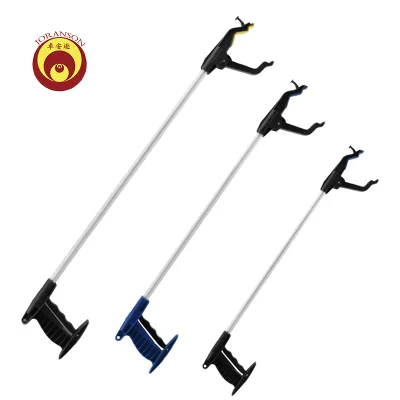
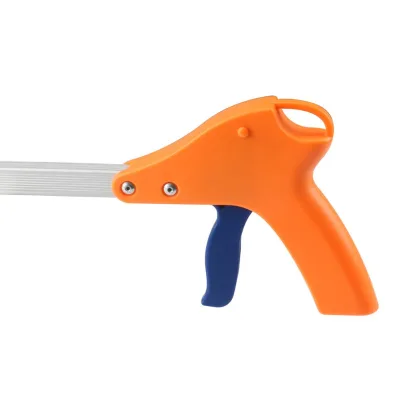
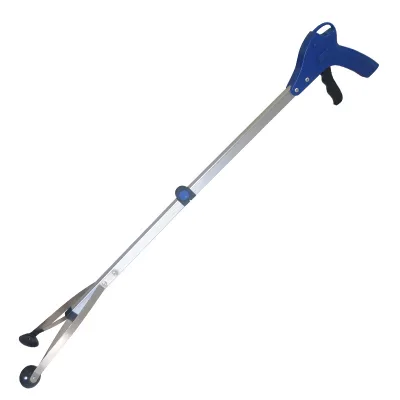
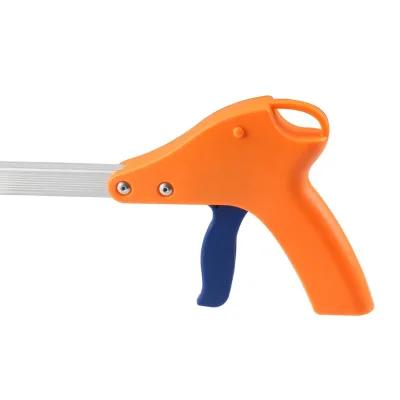
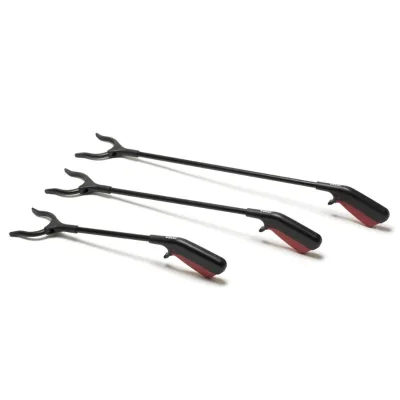
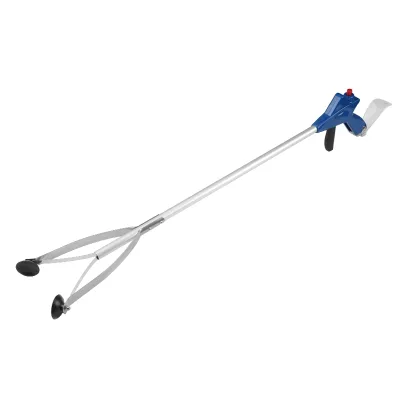


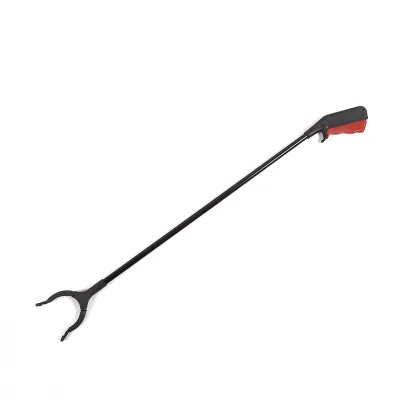
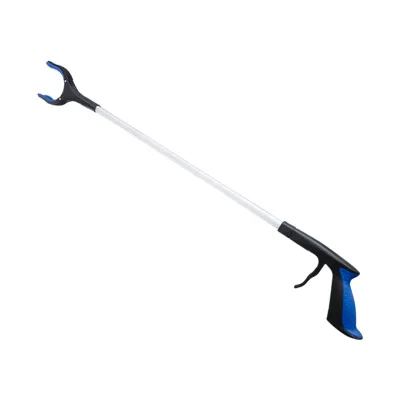
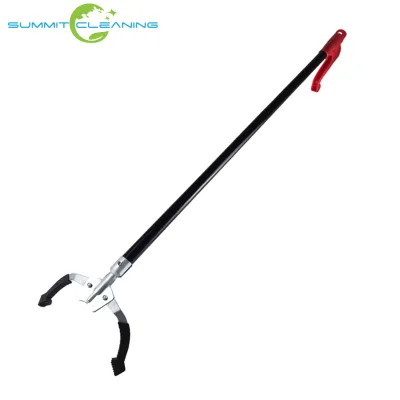
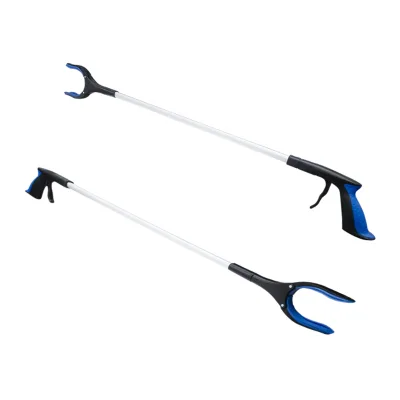
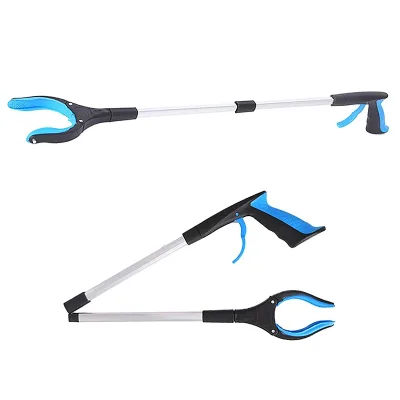
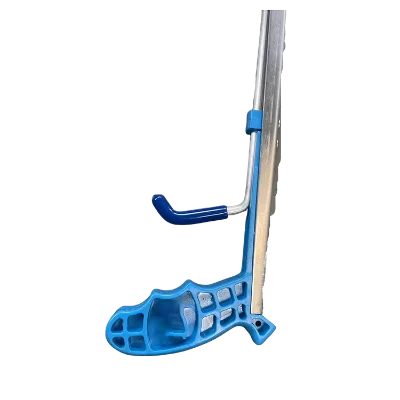


Comprehensive Sourcing Guide
Litter Picker Long Reach Tool Sourcing Guide
Buyers must first distinguish between the various functional classifications available in the current market, as the core keyword encompasses mechanical reachers, rubbish pickers, and specialized leaf grabbers. The observed product listings indicate that these tools are primarily constructed from aluminum and polypropylene, often reinforced with TPR for grip, though some variants utilize nylon and ABS composites. This material diversity directly influences the tool's durability and suitability for specific environmental conditions, requiring procurement teams to align their selection with the intended operational terrain.
Procurement decisions should also account for the significant variance in physical dimensions and weight observed across different models, ranging from lightweight 0.12kg units to heavier 5.8kg industrial packages. The market data reveals multiple model numbers such as SK20-2 and ZA-x76, suggesting a fragmented supply chain where specifications like length and single package size vary considerably. Buyers need to verify that the specific model selected matches their logistical constraints, particularly regarding shipping volume and the physical handling capabilities of their field staff.
Product Scope and Observed Listing Signals
The product scope for litter pickers extends beyond simple waste collection to include heavy-duty applications such as picking goods from high or hard-to-reach locations. Listings confirm that these tools serve as versatile grabbing aids, with specific applications noted for leaf collection and general rubbish reaching. The presence of customization options and OEM support indicates that suppliers are prepared to adapt the tool's design, including handle length and grabber head geometry, to meet specific municipal or industrial requirements.
Observations of the listing signals reveal a wide range of packaging formats, from simple OPP bags to rigid boxes, which impacts the final landed cost and product protection during transit. The observed price range of 0.67 to 13.5 USD suggests a highly competitive market with significant differentiation based on material quality and feature sets. Buyers should scrutinize the listed single gross weights, which vary from 0.22kg to 8.000kg, to ensure that the selected unit aligns with the ergonomic needs of the workforce and the capacity of their distribution network.
Technical Specifications to Verify
Verification of the mechanical reacher's dimensions is critical, as observed specifications include lengths of 76cm and 82cm, alongside multi-size options that may not be immediately apparent in standard listings. The material composition is a primary technical differentiator, with some units combining aluminum and PP plastic while others incorporate magnetic elements or rubberized components for enhanced grip. Buyers must confirm the exact material grade, such as industrial-grade nylon or ABS, to ensure the tool can withstand the mechanical stress of repeated lifting and the chemical exposure of outdoor environments.
The structural integrity of the grabber head and the locking mechanism must be validated against the specific load requirements of the intended application. While some models are described as having a weight of 0.12kg, others are significantly heavier, indicating a trade-off between portability and robustness that must be carefully evaluated. Procurement teams should request detailed engineering drawings or physical samples to verify that the single package size and overall dimensions match the operational space constraints of the storage and transport vehicles used by the organization.
Compliance and Safety Documentation
Safety compliance for long reach tools often involves verifying that the materials used meet specific industrial standards, particularly regarding the durability of the plastic and metal components under stress. Although specific certification data is not universally present in the provided listings, buyers should demand evidence that the aluminum and PP plastic construction adheres to relevant safety protocols for manual handling equipment. This includes ensuring that the TPR or rubber grips provide sufficient friction to prevent accidental slippage during the lifting of heavy or sharp debris.
Documentation regarding the product's origin and manufacturing standards is essential for establishing liability and quality assurance in the supply chain. The observed origin of Zhejiang, China, suggests a specific manufacturing ecosystem, but buyers must verify that the production processes adhere to international quality management systems. It is advisable to request test reports that confirm the structural integrity of the reacher, ensuring that the tool can safely support the maximum rated load without failure during critical operations.
Cost Drivers and Commercial Terms
The commercial landscape for these tools is influenced heavily by the Minimum Order Quantity (MOQ), which ranges from 1 to 3000 pieces, creating a barrier to entry for smaller buyers while offering volume discounts for larger contracts. The observed MOQ of 1000 pieces for certain models indicates that suppliers may require significant commitment to unlock competitive pricing tiers. Buyers must calculate the total cost of ownership, including the impact of packaging variations like box versus OPP bag, which can significantly alter the per-unit shipping cost and storage requirements.
Pricing volatility is a key factor, with observed listings spanning from 0.67 to 13.5 USD, reflecting differences in material costs, customization levels, and order volumes. The availability of OEM support allows for brand-specific customization, which typically incurs additional tooling or setup fees that must be factored into the budget. Procurement strategies should focus on negotiating clear terms regarding price stability and lead times, as the wide range of observed weights and package sizes suggests that logistics costs will vary significantly between different supplier proposals.
Supplier Qualification and Quality Control
Supplier qualification should prioritize manufacturers who demonstrate a clear capacity for customization and consistent production of the specific model numbers observed in the market. The presence of multiple model identifiers like SK02-6 and ZA-x8B suggests that suppliers may have diverse production lines, and buyers must verify that the specific line producing their order maintains strict quality control standards. It is crucial to assess the supplier's ability to maintain consistency in material grades, ensuring that every unit meets the specified industrial standards for durability and performance.
Quality control protocols must extend beyond the final inspection to include raw material verification and in-process testing of the mechanical components. Buyers should require evidence of the supplier's internal testing procedures for the grabber mechanism, ensuring that the locking and release functions operate smoothly over thousands of cycles. Establishing a clear communication channel for defect reporting and return policies is essential, as the variability in observed weights and package sizes indicates a need for rigorous pre-shipment inspections to prevent logistical issues.
Long-Term Procurement Checks
Long-term procurement success depends on establishing a reliable supply chain that can consistently deliver tools meeting the specific technical and safety requirements of the organization. Buyers should implement a periodic review process to assess the performance of the litter pickers in the field, tracking metrics such as breakage rates and user feedback on ergonomics. This data-driven approach allows for the identification of any recurring quality issues and provides leverage for negotiating improvements or price adjustments with the supplier.
Sustainability and supply chain resilience are increasingly important factors in long-term planning, requiring buyers to monitor the supplier's ability to source raw materials like aluminum and PP plastic without disruption. The observed range of packaging and weight suggests that logistics efficiency is a key area for optimization, and buyers should work with suppliers to standardize packaging where possible to reduce waste and shipping costs. Regular audits of the supplier's production capacity and quality management systems will ensure that the organization can maintain a steady supply of high-performance litter pickers for years to come.
FAQs
What materials are commonly used for a litter picker long reach tool?
Listed litter picker long reach tools commonly use aluminum combined with PP plastic, while some models use nylon, ABS, PP, and TPR with a magnetic tip. Aluminum shafts keep the tool lightweight, around 0.22 kilograms for some models, while TPR and rubber grips improve handling. Material choice affects weight, durability, and suitability for industrial-grade or light-duty picking tasks.
How long is a typical long reach litter picker?
Typical long reach litter pickers come in multi sizes, with listed lengths around 76 to 82 centimeters. This reach lets users collect litter from the ground or elevated spots without bending. Shorter options around 53 centimeters in package form also exist, so buyers should confirm exact working length per model before ordering.
Can these litter pickers be customized with my own branding?
Yes, customization is available on listed models, including OEM support. Suppliers typically apply your brand name, packaging preferences, and sometimes color choices such as blue, black, or orange. Customization usually applies above the stated MOQ, commonly 1000 pieces, so confirm minimum quantities, artwork requirements, and packaging formats like OPP bag or box with each supplier.
What is the usual MOQ when sourcing litter picker long reach tools?
Listed MOQs vary widely, commonly starting at 1000 pieces per model, though some listings accept as few as 1 piece and others require up to 3000 pieces. Higher MOQs generally unlock better unit pricing and customization options like OEM branding. Buyers with smaller trial orders should filter listings by low MOQ and confirm terms directly.
How are litter picker long reach tools packed for shipping?
Packing options on listed products include OPP bags and boxes, with some models packed individually as single items. Package dimensions differ by model, for example around 78 by 27 by 31 centimeters, and single gross weights range from roughly 0.12 kilograms to 8 kilograms depending on size and quantity per carton. Confirm carton counts and export packaging before ordering.
What applications suit a long reach litter picker tool?
These tools serve as rubbish pickers, litter grabbers, and leaf grabbers for picking goods from far, high, or hard-to-reach places. Common users include sanitation workers, janitorial teams, park maintenance staff, and warehouse operators. Some models include a magnetic tip for retrieving metal items, and industrial-grade construction supports heavier daily use in commercial environments.
Which reach length should I choose for commercial litter collection?
For most commercial litter collection, an 82 centimeter reach works well for street, park, and grounds maintenance because it covers ground-level waste without bending. Longer tools reduce strain but can feel less precise for small items. Consider user height, working environment, and whether tasks involve reaching under benches or into bins when selecting among multi-size options.